
Posted on — Leave a comment

How to Make Changing Bed Sheets Easier Without Lifting a Heavy Mattress

Wedge Friend mattress lifting wedge in use

Changing bed sheets can be surprisingly difficult when you have to lift a heavy mattress with one hand while trying to pull, position, or tuck fabric with the other. Thick mattresses, mattress toppers, platform beds, and tight bed frames can make the job even more awkward.

If you are wondering how to change bed sheets without lifting a heavy mattress, the key is to work in smaller sections, use correctly sized bedding, and create temporary space under the mattress instead of repeatedly holding the mattress up by hand.

This guide explains practical ways to make bed changing easier, including how to work around a heavy mattress, how to tuck sheets more efficiently, and when a mattress-lifting tool can help.

1. Remove Loose Bedding First

Start by removing pillows, blankets, comforters, and other loose bedding from the bed.

This gives you a clear working area and prevents extra fabric from getting in the way while you remove or install the fitted sheet.

If you are changing the entire sheet set, remove the top sheet before working with the fitted sheet.

2. Change the Sheet One Corner at a Time

You usually do not need to lift or reposition the entire mattress to change the sheets.

Instead, work around the bed one corner at a time:

  • Remove or install the fitted sheet at one corner
  • Move to the next corner
  • Keep the sheet centered as you work
  • Smooth excess fabric before finishing

This approach keeps the task more manageable and reduces unnecessary mattress movement.

3. Avoid Holding a Heavy Mattress Up With One Hand

One of the most difficult parts of making a bed is trying to hold the mattress up while simultaneously pushing bedding underneath it.

Instead of relying entirely on your hands, use a method that creates temporary working space between the mattress and the bed frame or foundation.

Once that space is created, you can concentrate on positioning or tucking the sheet rather than continuously supporting the mattress yourself.

4. Use a Mattress Lifter for Extra Working Space

A mattress lifter is designed to create temporary space underneath the edge of a mattress while you work with bedding.

The Wedge Friend Mattress Lifter & Sheet Tucking Tool is designed for this type of task. It can be positioned between the mattress and the surface underneath it to create working space for removing, positioning, or tucking bedding.

This can be especially useful with heavier mattresses or beds where there is very little room between the mattress and surrounding frame.

5. Position the Fitted Sheet Before Pulling It Into Place

Before trying to stretch the fitted sheet over the mattress, make sure it is oriented correctly.

Locate the sheet corners and match them with the corresponding mattress corners before you begin pulling the sheet into place.

Starting with the sheet properly aligned can reduce unnecessary pulling, twisting, and readjusting later.

6. Use Opposite Corners to Help Center the Fitted Sheet

When installing a fitted sheet, secure one corner and then work toward the diagonally opposite corner before finishing the remaining corners.

This can help distribute the sheet more evenly across the mattress and reduce the amount of excess pulling required at the final corner.

If the sheet still feels excessively tight, confirm that it is the correct size and pocket depth for your mattress.

7. Tuck Sheets Under the Mattress in Small Sections

If you are tucking a top sheet, bed skirt, or other bedding underneath the mattress, avoid trying to push a large section of fabric underneath at once.

Instead:

  • Create a small amount of working space
  • Tuck one section of fabric
  • Move farther along the mattress
  • Repeat until the bedding is positioned evenly

Working in smaller sections can make the process easier to control and help create a neater result.

8. Be Careful Around Tight Bed Frames

Platform beds and frames with raised side rails can leave very little space between the mattress and the surrounding frame.

Trying to force your fingers into a narrow gap can be uncomfortable and make the task more difficult.

Creating temporary space before positioning the bedding can make it easier to work around these tighter areas.

9. Make Sure Your Fitted Sheet Is Deep Enough

Mattress thickness can make a major difference when changing fitted sheets.

Modern mattresses can be especially deep when combined with mattress toppers, pads, or other layers. If the fitted sheet pockets are too shallow, the sheet may be difficult to install or repeatedly come loose.

Measure the total mattress depth, including any topper that remains on the bed, and compare that measurement with the sheet manufacturer’s recommended pocket depth.

10. Keep Complete Sheet Sets Together

Keeping your bedding organized can make the entire bed-changing process faster.

Consider storing the fitted sheet, top sheet, and matching pillowcases together as one set.

When it is time to change the bed, everything you need will already be in one place.

Why Is It Hard to Change Sheets on a Heavy Mattress?

Several factors can make changing bed sheets more difficult:

  • A thick or heavy mattress
  • A mattress topper that adds extra depth
  • A platform bed or tight surrounding frame
  • Deep fitted-sheet pockets
  • Bedding that needs to be tucked underneath the mattress
  • Limited working space around the bed

The goal is usually not to move the entire mattress. In many situations, you only need enough temporary space around the edge to remove, position, or tuck the bedding.

How Do You Tuck Sheets Under a Heavy Mattress?

The easiest approach is usually to create a small amount of space under the mattress and tuck the sheet in gradually.

Work along the edge in smaller sections rather than trying to lift a large portion of the mattress at once.

A mattress-lifting or sheet-tucking tool can also provide temporary working space so you can focus on positioning the fabric.

What Is a Mattress Lifter?

A mattress lifter is a tool designed to create space between a mattress and the surface underneath it.

That temporary opening can make it easier to position, remove, or tuck sheets, bed skirts, and other bedding without continuously holding the mattress up by hand.

The Wedge Friend is designed as both a mattress-lifting aid and sheet-tucking tool for this type of bed-making task.

Can a Mattress Topper Make Changing Sheets Harder?

Yes. A mattress topper increases the total depth of the sleeping surface and can make a fitted sheet more difficult to stretch over the corners.

A thicker setup may require deeper-pocket fitted sheets. The topper can also shift while you work, which may add another step to the bed-making process.

Measure the total depth of the mattress and topper together when choosing fitted sheets.

How to Make Bed Making Easier With a Heavy Mattress

A few simple changes can make a noticeable difference:

  • Clear the bed before you start
  • Work one corner or section at a time
  • Use fitted sheets with the correct pocket depth
  • Keep replacement bedding organized
  • Create temporary space instead of continuously lifting the mattress
  • Use a mattress-lifting or sheet-tucking tool when additional working space is helpful

The easier the process is to repeat, the less awkward regular sheet changes can become.

Frequently Asked Questions About Changing Sheets on a Heavy Mattress

How can I change sheets without lifting the whole mattress?

Work one corner or section at a time. You generally only need enough space around the mattress edge to remove, install, or tuck bedding rather than lifting the entire mattress at once.

How can I tuck sheets under a heavy mattress?

Create temporary space between the mattress and the surface underneath it, then tuck the fabric in smaller sections. A mattress-lifting or sheet-tucking tool can help create that working space.

Why is my fitted sheet difficult to put on?

The fitted sheet may be too small, incorrectly positioned, or not deep enough for your mattress. Measure the mattress width, length, and total depth and compare those measurements with the sheet manufacturer’s sizing information.

Why does my fitted sheet keep coming off?

A fitted sheet can come loose when the sheet is too small, the pockets are too shallow, the mattress is especially thick, or a topper increases the total mattress depth.

Using a properly sized fitted sheet is an important first step.

Can a mattress topper make changing sheets harder?

Yes. A topper adds depth and may require deeper-pocket fitted sheets. It can also shift while bedding is being removed or replaced.

What is a mattress lifter used for?

A mattress lifter is designed to create temporary working space between a mattress and the surface underneath it. Depending on the design, that space can make it easier to remove, position, or tuck bedding.

Do I need to lift the entire mattress to change fitted sheets?

No. In most situations, you can work around the mattress one corner or section at a time rather than lifting the entire mattress.

Make Changing Bed Sheets a Simpler Routine

Learning how to change sheets on a heavy mattress does not require repeatedly lifting and holding the entire mattress.

Work one corner at a time, make sure your fitted sheets are the correct size, tuck fabric in smaller sections, and create temporary working space underneath the mattress when needed.

If lifting the mattress while positioning or tucking bedding is the most difficult part of the job, explore the Wedge Friend Mattress Lifter & Sheet Tucking Tool to see how it is designed to assist with the task.
Posted on — Leave a comment

How to Keep Your Bed Sheets Secure All Night

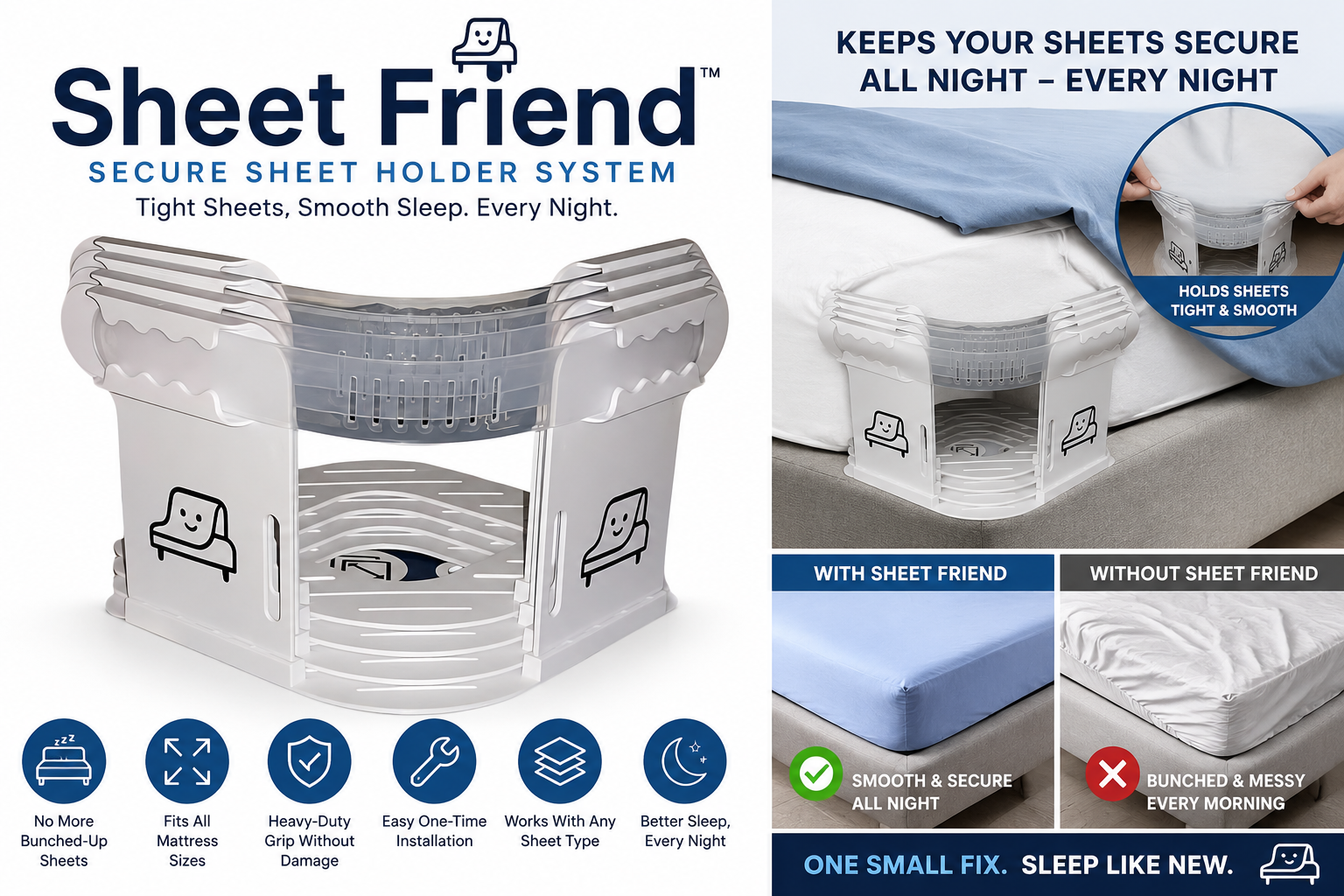
Sheet Friend bed sheet holder in use

If your fitted sheet keeps slipping off the mattress, bunching underneath you, or pulling loose at the corners, the problem is usually caused by fit, mattress depth, worn elastic, shifting bedding layers, or movement during sleep.

Fortunately, there are several practical ways to keep fitted sheets from coming off during the night. The best solution depends on your mattress, your sheets, and how securely the fitted sheet wraps underneath the mattress.

This guide explains how to keep bed sheets in place, why fitted sheets come loose, and when sheet fasteners can provide extra support.

1. Make Sure Your Fitted Sheet Is the Correct Size

The first thing to check is whether your fitted sheet actually matches the width, length, and depth of your mattress.

A fitted sheet that is too small may constantly pull upward at the corners. A sheet that is too large may leave excess fabric that bunches or shifts while you sleep.

Check:

  • Mattress width
  • Mattress length
  • Total mattress depth or thickness

If you use a mattress topper or thick mattress pad, include it when measuring the total depth. Your fitted sheet needs enough pocket depth to fit securely around the entire mattress setup.

2. Use the Correct Pocket Depth for Your Mattress

Many modern mattresses are thicker than traditional mattresses, especially when combined with toppers, pads, or padded protectors.

If your fitted sheet repeatedly pulls upward, check the listed pocket depth on the sheet packaging.

A properly sized fitted sheet should allow the elastic edge to wrap underneath the mattress rather than resting only along the side.

Deep-pocket sheets can be useful for thicker mattresses, but the important factor is matching the pocket depth to your actual mattress thickness.

3. Put the Fitted Sheet on Evenly

An unevenly installed fitted sheet can create extra tension on one side of the mattress and make another corner more likely to come loose.

When putting on the sheet:

  • Secure one corner
  • Move to the diagonally opposite corner
  • Attach the remaining two corners
  • Check that the sheet is centered across the mattress
  • Smooth out excess fabric

This helps distribute tension more evenly across the fitted sheet.

4. Check the Elastic Around the Fitted Sheet

The elastic sewn into a fitted sheet can lose tension over time.

If a sheet used to stay securely in place but now slips frequently, worn or stretched elastic may be contributing to the problem.

Inspect the corners and edges. If the elastic no longer pulls the sheet securely underneath the mattress, replacing the fitted sheet may be the simplest solution.

5. Check Your Mattress Protector or Topper

Mattress protectors, toppers, pads, and other bedding layers can sometimes shift independently underneath a fitted sheet.

When the layer underneath moves, the fitted sheet may move with it.

Make sure your mattress protector or topper is correctly sized and positioned securely before putting the fitted sheet on top.

If several loose layers are stacked underneath the sheet, reducing unnecessary movement between those layers may help the fitted sheet stay in place.

6. Use Sheet Fasteners to Help Keep Sheets in Place

If your fitted sheet is correctly sized but still slips off the mattress, sheet fasteners can provide additional holding support.

Sheet-fastening systems are designed to help secure sections of the fitted sheet so that normal movement during sleep is less likely to pull the sheet completely loose.

The Sheet Friend Bed Sheet Holders from The Friend Brand are designed to help keep fitted sheets more securely positioned around the mattress.

For people who regularly deal with loose corners or shifting sheets, adding a fastening system can be an alternative to repeatedly remaking the bed.

7. Smooth the Fitted Sheet Before Bed

Small wrinkles can become larger areas of bunched fabric as you move during the night.

Before going to bed, take a few seconds to smooth the fitted sheet across the mattress.

Pull excess fabric toward the edges and check that all four corners remain securely positioned underneath the mattress.

8. Reduce Loose Layers Under the Sheet

Mattress pads, electric blankets, protectors, and toppers can create several layers between the mattress and fitted sheet.

If those layers move against each other, the sheet may be more likely to shift.

Make sure each layer is properly sized and secured before installing the fitted sheet.

9. Consider the Sheet Fabric

Different sheet fabrics can behave differently on different mattress surfaces.

Some lightweight or especially smooth materials may move more easily against certain mattress protectors or covers.

If the fitted sheet is the correct size and the elastic is in good condition but slipping continues, trying a different sheet set or fabric may help determine whether the material combination is contributing to the problem.

10. Check the Corners When You Make the Bed

You do not necessarily need to completely remake your bed every morning.

When making the bed, quickly check all four fitted-sheet corners.

If one corner is beginning to pull loose, repositioning it early can help prevent the sheet from coming completely off during the next night.

Why Do Fitted Sheets Keep Coming Off the Mattress?

Fitted sheets can come loose for several reasons, including:

  • The fitted sheet is too small
  • The pockets are not deep enough
  • The elastic has stretched or worn out
  • A mattress topper increases the total mattress depth
  • The mattress protector or topper shifts underneath the sheet
  • The sheet is too large and has excess fabric
  • Movement during sleep gradually pulls the sheet loose

In many cases, more than one of these factors contributes to the problem.

How to Keep a Fitted Sheet on a Bed

Start by making sure the fitted sheet matches the mattress size and total depth. Then check the sheet’s elastic and make sure any mattress protector or topper underneath it is securely positioned.

If the sheet still comes loose, a sheet-fastening system can provide additional support around the mattress.

The goal is to keep enough tension around the fitted sheet that normal movement is less likely to pull a corner free.

Do Deep-Pocket Sheets Stay on Better?

Deep-pocket fitted sheets can help when the mattress is too thick for a standard fitted sheet.

However, deeper is not automatically better. A sheet that is much larger than necessary can also leave excess fabric and may not fit securely.

Measure the total mattress depth and choose a fitted sheet with a pocket depth appropriate for that measurement.

Can a Mattress Topper Make Fitted Sheets Come Off?

Yes. A mattress topper increases the total depth of the mattress and can make an existing fitted sheet too shallow.

A topper may also shift underneath the fitted sheet, creating additional movement between the bedding layers.

Measure the mattress with the topper in place when choosing fitted sheets.

How Do Sheet Fasteners Work?

Sheet fasteners provide additional holding points that help keep the fitted sheet positioned around the mattress.

They can be especially useful when the fitted sheet fits reasonably well but still tends to loosen as you move during sleep.

The Sheet Friend Bed Sheet Holders are designed to provide additional support for fitted sheets without requiring you to replace an otherwise usable sheet set.

How to Keep Sheets Tight on a Mattress

If you want your fitted sheet to stay tighter throughout the night, focus on the complete mattress-and-sheet setup rather than only one corner.

  • Use the correct sheet size
  • Match the pocket depth to the mattress thickness
  • Replace fitted sheets with worn elastic
  • Secure shifting mattress protectors or toppers
  • Install the sheet evenly across all four corners
  • Smooth excess fabric before bed
  • Use sheet fasteners if additional holding support is needed

Correcting the underlying fit problem is usually the best place to start.

Frequently Asked Questions About Keeping Fitted Sheets in Place

Why does my fitted sheet come off every night?

Common causes include an incorrect sheet size, insufficient pocket depth, worn elastic, a shifting mattress protector or topper, excess fabric, or movement during sleep.

How do I stop my fitted sheet from coming off?

Measure your mattress, make sure the sheet has the correct pocket depth, check the elastic, install the sheet evenly, and secure any loose bedding layers underneath it. If the sheet continues to loosen, sheet fasteners can provide additional support.

Do deep-pocket sheets stay on better?

They can when you have a thick mattress or mattress topper. The important factor is matching the sheet’s pocket depth to the actual thickness of your mattress setup.

Can sheet fasteners keep fitted sheets in place?

Sheet fasteners are designed to provide additional holding support around the mattress and can be useful when properly sized fitted sheets continue to loosen.

Should I replace a fitted sheet if the elastic is stretched out?

If the elastic no longer holds the fitted sheet securely underneath the mattress, replacing the sheet may be appropriate. Sheet fasteners may provide additional support, but severely worn elastic can indicate that the sheet itself needs replacement.

Can a mattress topper cause fitted sheets to come loose?

Yes. A topper increases the total mattress depth and may make an existing fitted sheet too shallow. It can also introduce another layer that may shift underneath the sheet.

Why does my fitted sheet bunch up while I sleep?

Bunching can occur when the sheet is too large, not installed evenly, has weakened elastic, or moves against a loose mattress protector or topper. Smoothing and correctly tensioning the sheet can help reduce excess fabric.

Keep Your Fitted Sheets Secure All Night

Learning how to keep fitted sheets from coming off starts with the basics: use the correct sheet size, account for mattress depth, check the elastic, secure any layers underneath the sheet, and install the fitted sheet evenly.

If your fitted sheets still slip or pull loose during the night, additional fastening support may help.

You can explore the Sheet Friend Bed Sheet Holders from The Friend Brand for another way to help keep your bedding securely positioned.